Description
Introduction to Aluminium Double Mesh Door:-
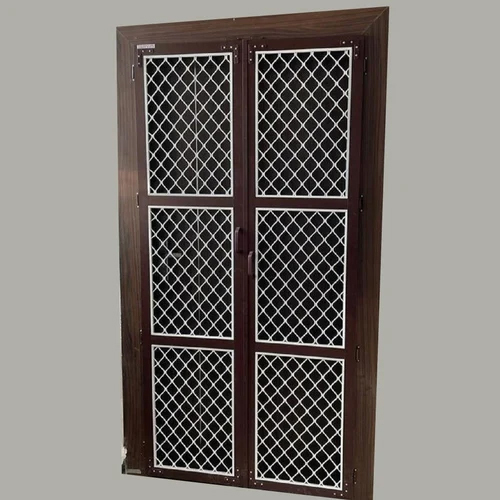
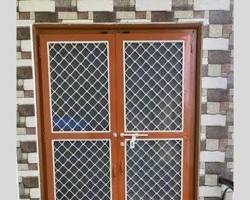
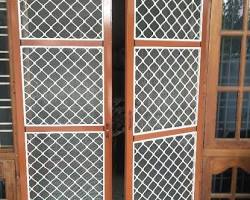
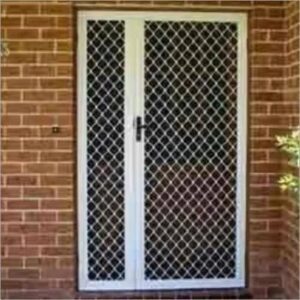
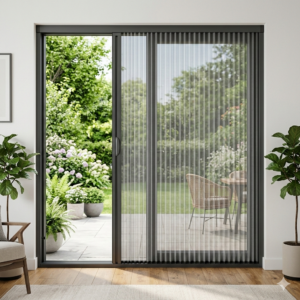
An Aluminium Double Mesh Door is a two-panel mosquito screen door system designed to cover wide door openings such as main entrances, balcony doors, and French doors. It consists of two mesh door panels that open from the center or from opposite sides, allowing easy access while protecting indoor spaces from mosquitoes, insects, and dust.
Unlike single mesh doors, the double mesh door is designed for wider door frames, making it ideal for homes with large entrances or high airflow requirements.
The door allows:
-
Fresh air circulation
-
Natural ventilation
-
Outside visibility
-
Protection from insects
These doors are commonly used in residential and commercial buildings where large openings require insect protection without blocking airflow.
Basic Structure of an Aluminium Double Mesh Door:-
An aluminium double mesh door is built from several mechanical and structural components working together.
Main components include:
-
Aluminium frame structure
-
Insect mesh screen panels
-
Hinges or sliding tracks
-
Locking mechanism
-
Magnetic closing system
-
Rubber sealing strips
Each part plays a role in durability, functionality, and insect protection.
Aluminium Frame Construction:-
The aluminium frame forms the structural backbone of the door.
Most mesh doors use extruded aluminium profiles, which provide high strength with lightweight properties.
Common aluminium grades used:
-
Aluminium alloy 6063-T5
-
Aluminium alloy 6061
-
Powder-coated aluminium profiles
Typical frame specifications:
| Parameter | Typical Value |
|---|---|
| Frame thickness | 1 mm – 2 mm |
| Profile thickness | 10 mm – 20 mm |
| Door height | 6 – 7 ft |
| Door width | 3 – 4 ft (double door combined) |
Many aluminium mesh doors use powder-coated surfaces to prevent corrosion and scratches.
Advantages of aluminium frames:
-
Lightweight
-
Rust resistant
-
Durable
-
Easy to fabricate
-
Long lifespan
Mesh Screen Materials
The mesh screen is the functional part of the door that blocks insects.
Different mesh materials are used depending on cost, durability, and security requirements.
Fiberglass Mesh
Most commonly used mesh.
Features:
-
Flexible material
-
Affordable price
-
Corrosion resistant
-
Good airflow
-
Easy replacement
Aluminium Mesh
Made from thin aluminium wires.
Features:
-
Lightweight metal mesh
-
Long life
-
Stronger than fiberglass
-
Corrosion resistant
Stainless Steel Mesh (SS304)
Premium high-strength mesh.
Features:
-
High durability
-
Anti-rust properties
-
Security protection
-
Suitable for exterior doors
Polyester / Nylon Mesh
Used mainly in retractable or pleated mesh systems.
Features:
-
Lightweight
-
Flexible
-
Smooth folding movement
Mesh Hole Size
Typical mosquito mesh specification:
-
18 × 16 mesh count
-
Micro holes small enough to block mosquitoes
These micro openings allow airflow while preventing insects from passing through.
Door Opening Mechanisms
Aluminium double mesh doors can operate in different ways depending on design.
Hinged Double Door
Two panels open from the center like French doors.
Features:
-
Traditional design
-
Easy operation
-
Low maintenance
Commonly used for:
-
Main entrance doors
-
Kitchen doors
-
Balcony doors
Sliding Double Mesh Door
Two mesh panels slide horizontally on tracks.
Advantages:
-
Space saving
-
Smooth operation
-
Ideal for wide openings
Pleated Double Mesh Door
A modern collapsible mesh door.
Features:
-
Foldable mesh structure
-
Smooth sliding mechanism
-
Space-efficient design
Pleated mesh systems are popular for modern aluminium door installations because they allow smooth operation and high durability.
Locking and Closing Systems
Double mesh doors use several locking systems to prevent accidental opening.
Common locking types:
-
Magnetic closing lock
-
Hook lock
-
Sliding latch
-
Handle lock
Some systems use auto-closing magnets so that the mesh door closes automatically after opening.
Sealing Components
To prevent insects entering from the edges, several sealing components are used.
Rubber Gasket
Functions:
-
Dust sealing
-
Insect sealing
-
Noise reduction
Brush Seal
Installed on frame edges to block small insects.
Silicone Sealant
Applied during installation to close gaps between wall and frame.
Manufacturing Process
The production of aluminium double mesh doors follows multiple industrial steps.
Step 1 – Aluminium Extrusion
Aluminium billets are heated and pressed through dies to create frame profiles.
Step 2 – Profile Cutting
Profiles are cut to required sizes using aluminium cutting machines.
Step 3 – Drilling
Holes are drilled for hinges, handles, and locks.
Step 4 – Surface Finishing
Surface finishing improves durability.
Methods include:
-
Powder coating
-
Anodizing
-
Electrostatic painting
Step 5 – Mesh Preparation
Mesh sheets are cut according to door panel size.
Step 6 – Mesh Fixing
Mesh is fixed using:
-
Rubber spline
-
Aluminium bead
-
Pressure clips
Step 7 – Hardware Installation
Components installed:
-
Hinges
-
Handles
-
Locks
-
Magnetic strips
Step 8 – Quality Inspection
Door is inspected for:
-
Frame alignment
-
Mesh tension
-
Smooth operation
Installation Process
Professional installation ensures proper functioning.
Step 1 – Site Inspection
Technician checks:
-
Door opening size
-
Wall condition
-
Door frame alignment
Step 2 – Measurement
Measurements include:
-
Height
-
Width
-
Frame thickness
-
Opening direction
Step 3 – Frame Fabrication
Frame is fabricated according to measurements.
Step 4 – Frame Installation
Frame fixed to wall using:
-
Screws
-
Anchors
-
Wall plugs
Step 5 – Door Panel Installation
Two mesh door panels attached to frame with hinges.
Step 6 – Lock Installation
Lock and handle installed.
Step 7 – Edge Sealing
Silicone sealant applied to edges.
Step 8 – Final Testing
Technician checks:
-
Smooth door movement
-
Lock functionality
-
Mesh tension
Advantages of Aluminium Double Mesh Doors
Wider Door Coverage
Perfect for large entrances and French doors.
Improved Ventilation
Allows fresh air circulation through mesh openings.
Insect Protection
Prevents mosquitoes and insects from entering the home.
Durability
Aluminium frames provide strong structural support.
Clear Visibility
Transparent mesh allows outside view.
Low Maintenance
Simple cleaning and minimal upkeep.
Applications
Aluminium double mesh doors are used in:
-
Residential homes
-
Apartments
-
Villas
-
Restaurants
-
Hotels
-
Hospitals
-
Office buildings
These doors are widely used for balconies, kitchens, and main entrance areas where airflow is required but insects must be blocked.
Maintenance
Maintenance is simple.
Cleaning methods:
-
Soft brush
-
Microfiber cloth
-
Vacuum cleaner
Lubrication:
-
Hinges lubricated every 6 months
Mesh repair:
-
Small tears patched
-
Damaged mesh replaced
Warranty
Typical warranty offered by manufacturers:
| Component | Warranty |
|---|---|
| Mesh | 1 – 3 years |
| Frame | 5 – 10 years |
| Hardware | 1 year |
Some manufacturers offer 1 year standard warranty for mesh door systems.
Expected Lifespan
Approximate lifespan of components:
| Component | Lifespan |
|---|---|
| Fiberglass mesh | 5–8 years |
| Aluminium mesh | 10+ years |
| Stainless steel mesh | 15+ years |
| Aluminium frame | 20+ years |
Proper maintenance can extend product life significantly.
Cost Factors
The price of aluminium double mesh doors depends on:
-
Door size
-
Frame thickness
-
Mesh material
-
Hardware quality
-
Installation charges
Health and Environmental Benefits
Mosquito mesh doors help reduce exposure to mosquito-borne diseases such as:
-
Dengue
-
Malaria
-
Chikungunya
By allowing natural airflow, these doors can also reduce reliance on air conditioning and improve indoor air quality.
Modern Innovations in Mesh Door Technology
Modern mesh doors include advanced features such as:
-
Nano mosquito mesh
-
Anti-pollen screens
-
UV-resistant mesh
-
Pet-resistant mesh
-
Invisible mesh systems
-
Multipoint security mesh doors
These innovations improve durability, ventilation, and security.

Reviews
There are no reviews yet.