Description
Introduction to Aluminium Interior Mesh Door
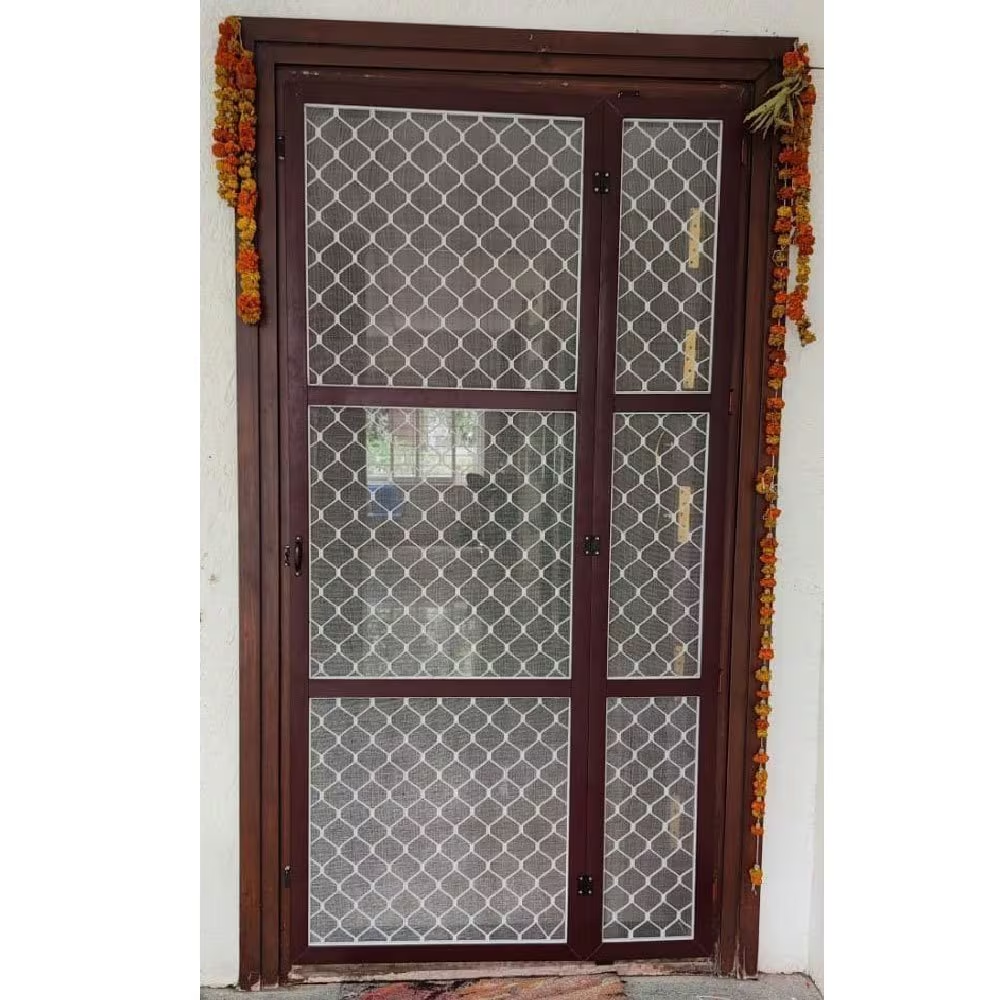
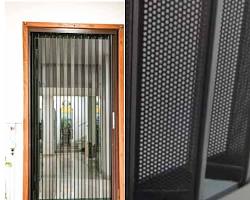
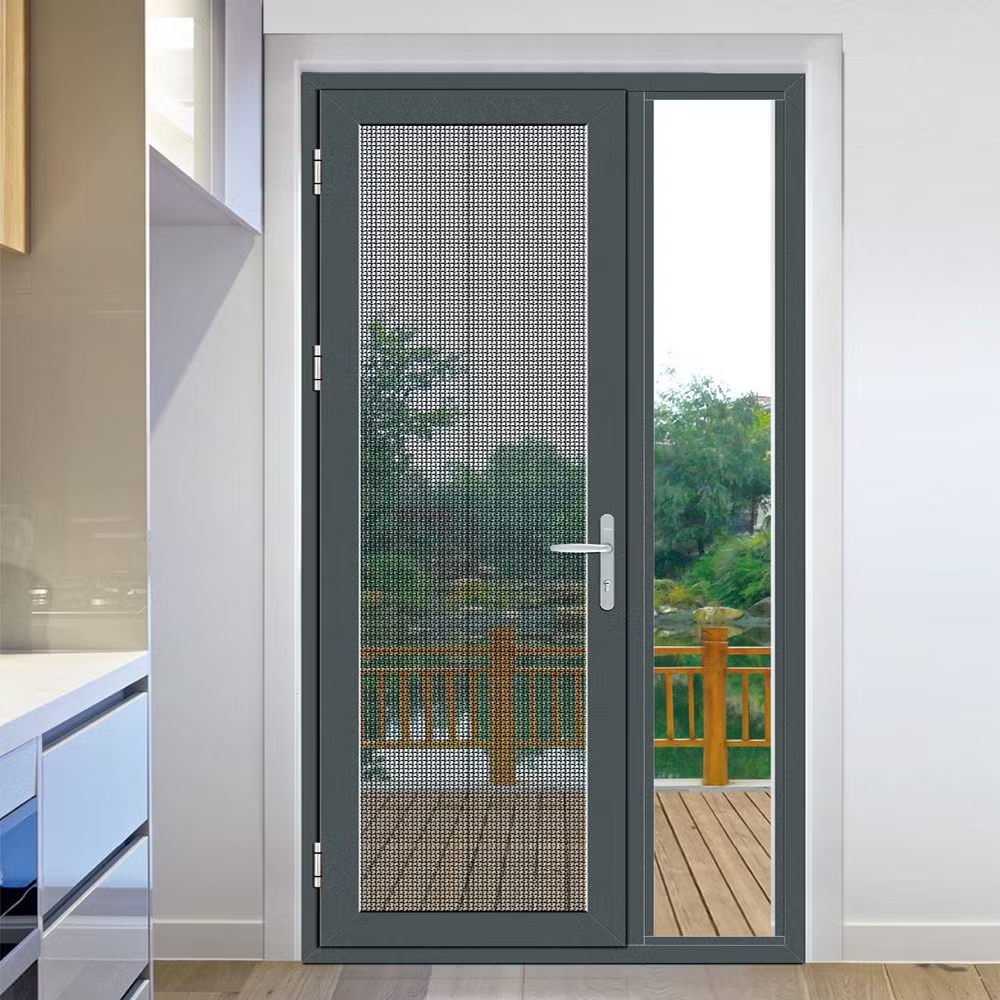
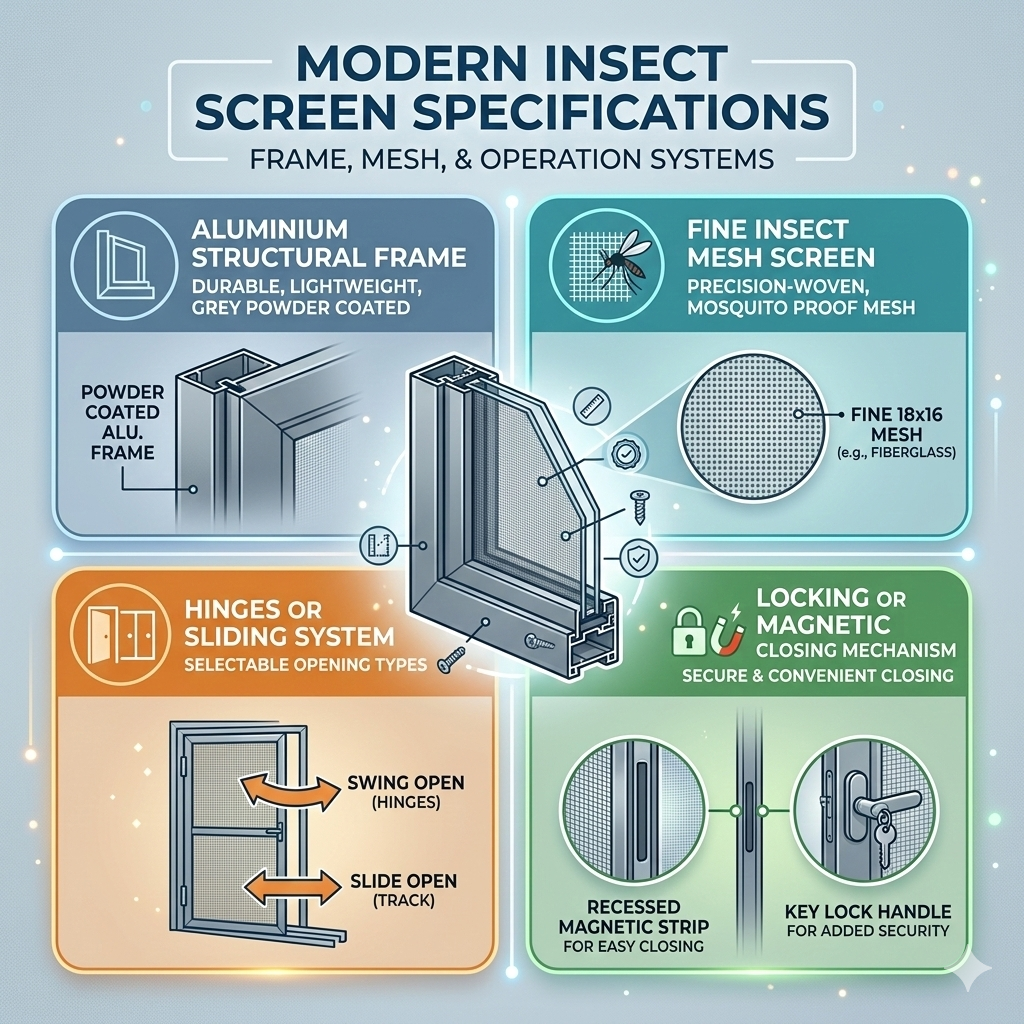
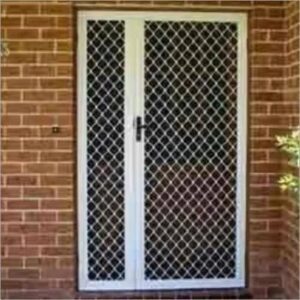
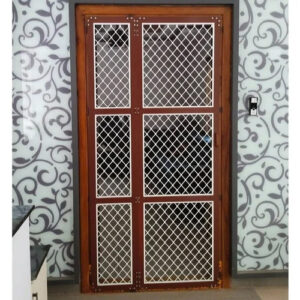
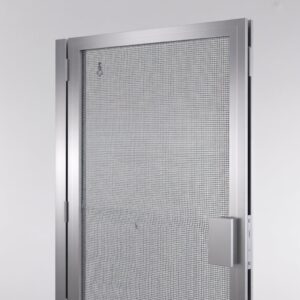
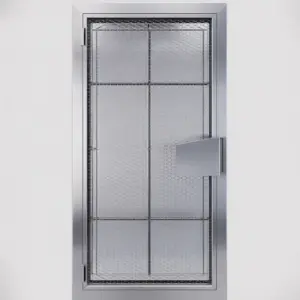
An Aluminium Interior Mesh Door is a protective screen door installed inside the main door frame of a house to prevent insects such as mosquitoes, flies, and bugs from entering while allowing fresh air and natural ventilation.
It consists of:
• Aluminium structural frame
• Fine insect mesh screen
• Hinges or sliding system
• Locking or magnetic closing mechanism
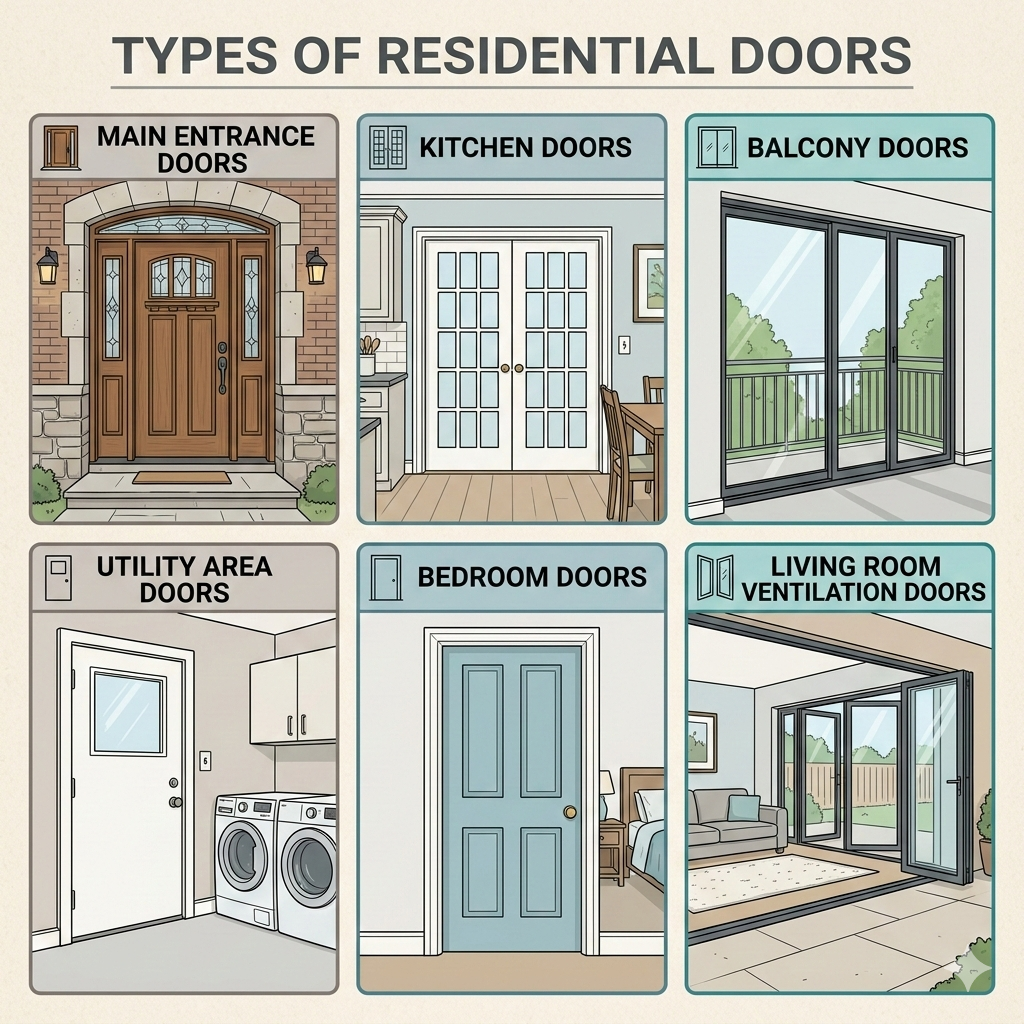
These doors are commonly installed in:
• Main entrance doors
• Kitchen doors
• Balcony doors
• Utility area doors
• Bedroom doors
• Living room ventilation doors
The purpose of the door is to create a physical barrier for insects while maintaining airflow and visibility.
Basic Structure of an Aluminium Interior Mesh Door
An aluminium mesh door has multiple components working together.
Main Structural Parts
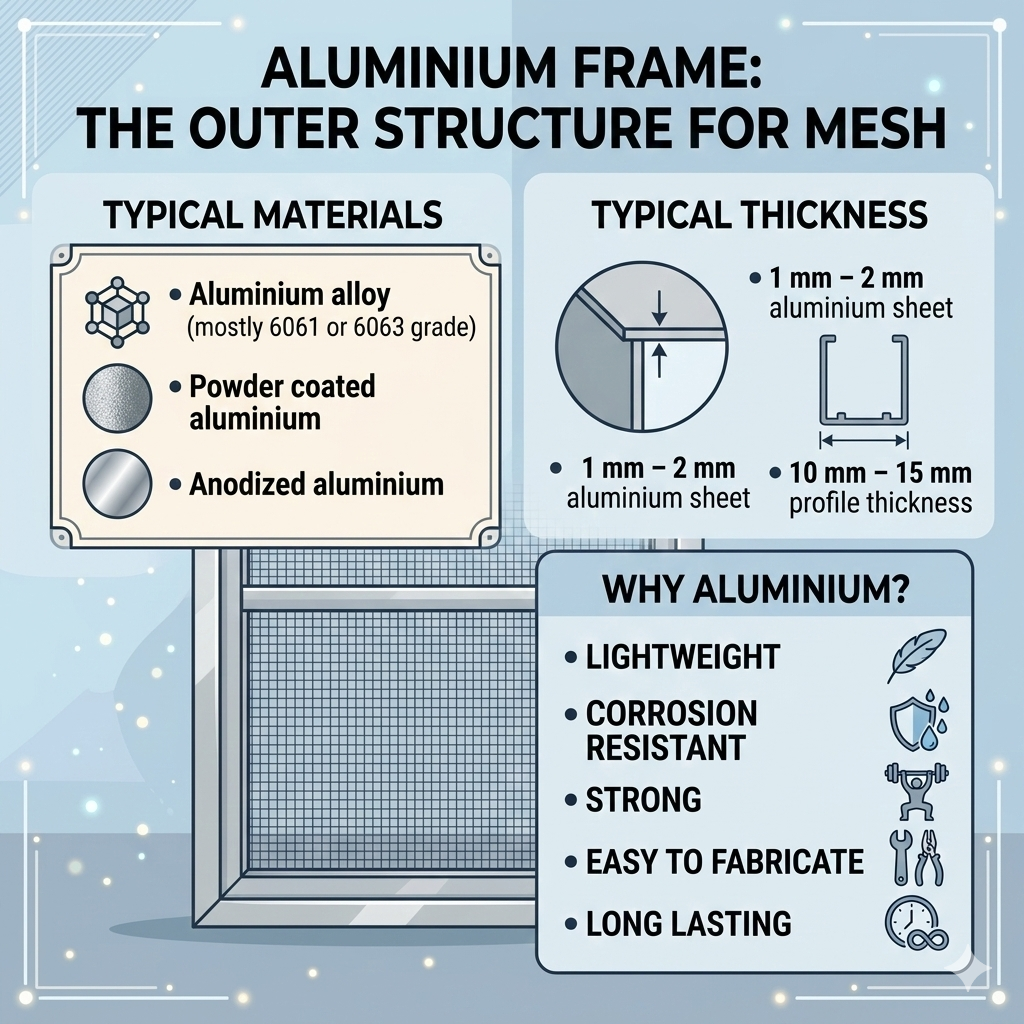
1. Aluminium Frame
The outer structure that holds the mesh.
Typical materials:
• Aluminium alloy (mostly 6061 or 6063 grade)
• Powder coated aluminium
• Anodized aluminium
Typical thickness:
• 1 mm – 2 mm aluminium sheet
• 10 mm – 15 mm profile thickness
Aluminium is preferred because it is:
• lightweight
• corrosion resistant
• strong
• easy to fabricate
• long lasting
2. Mesh Screen
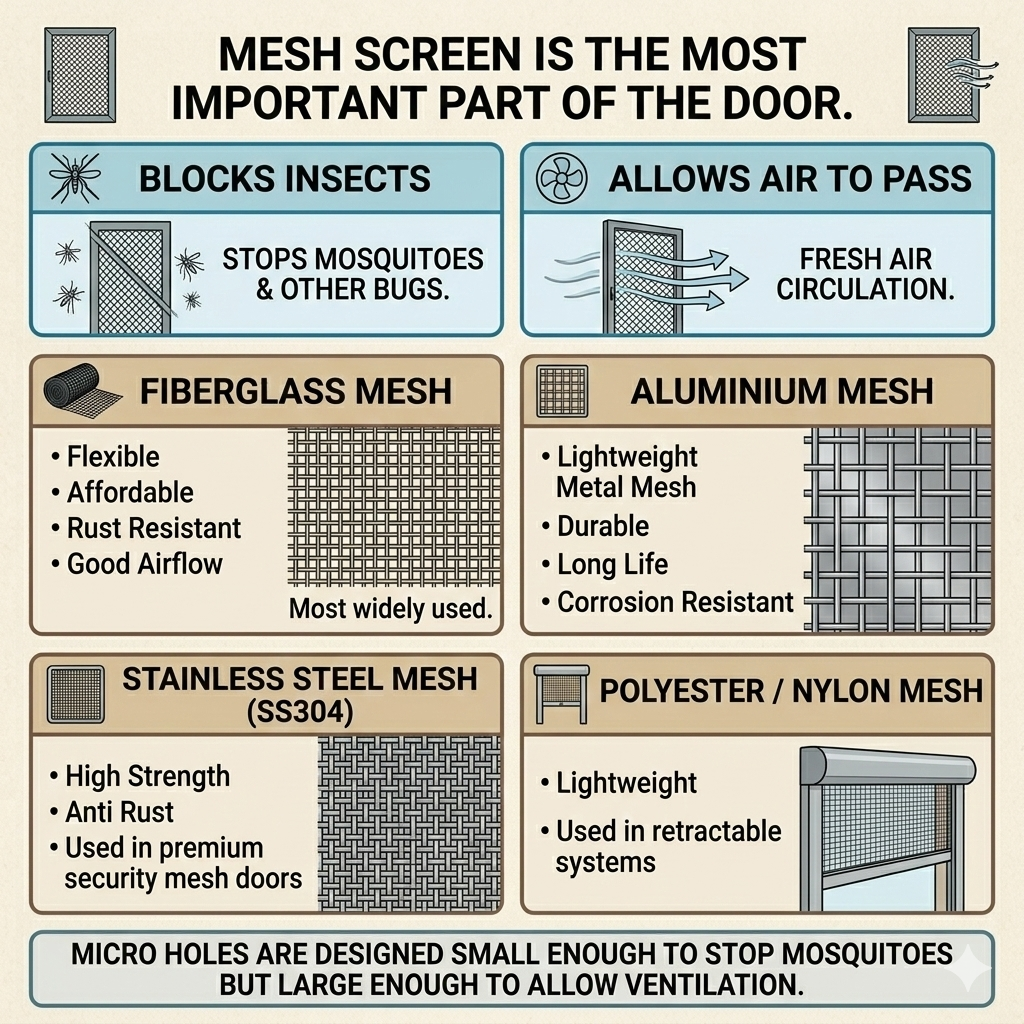
The mesh is the most important part of the door.
It blocks insects but allows air to pass.
Common mesh materials include:
Fiberglass Mesh
Most widely used
• flexible
• affordable
• rust resistant
• good airflow
Aluminium Mesh
• lightweight metal mesh
• durable
• long life
• corrosion resistant
Stainless Steel Mesh (SS304)
• high strength
• anti rust
• used in premium security mesh doors
Polyester / Nylon Mesh
• lightweight
• used in retractable systems
These meshes are designed with micro holes small enough to stop mosquitoes but large enough to allow ventilation.
3. Hinges
Most aluminium interior mesh doors are hinged doors.
Types of hinges:
• Butt hinges
• Spring hinges
• Hydraulic hinges
• Self-closing hinges
Hinges allow the door to open and close smoothly.
4. Locking System
The locking mechanism can include:
• magnetic lock
• handle lock
• latch lock
• sliding lock
• hook lock
Some systems include auto closing magnets to prevent mosquitoes entering.
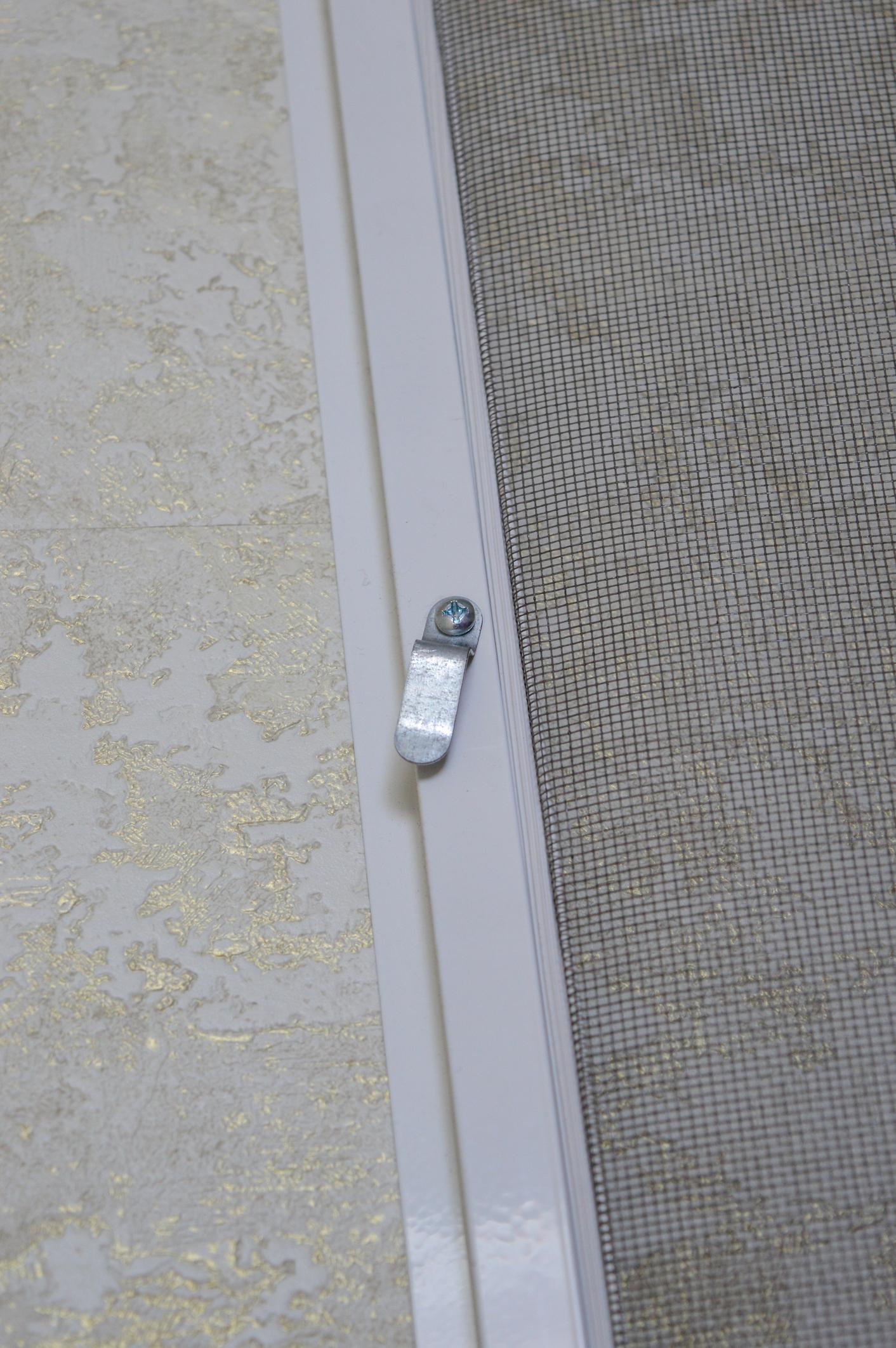
5. Rubber Gasket
Rubber or PVC strips are installed around the frame.
Purpose:
• dust sealing
• insect sealing
• vibration reduction
6. Kick Plate (optional)
A metal plate installed at the bottom.
Benefits:
• protects mesh from pets or shoes
• increases durability
Types of Aluminium Interior Mesh Doors
Several design variations exist.
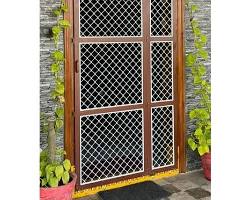
Hinged Mesh Door
Most common design.
Characteristics:
• opens like a normal door
• simple installation
• affordable
• durable
Used in:
• kitchens
• balconies
• back doors
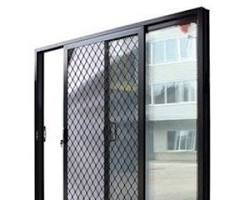
Sliding Mesh Door
Moves on horizontal track.
Benefits:
• space saving
• suitable for large openings
• smooth operation
Often used for:
• balcony sliding doors
• patio doors
Pleated Mesh Door
Advanced mesh system.
Features:
• folding mesh design
• collapsible mechanism
• space efficient
• elegant appearance
Pleated systems use horizontal folding mesh technology for smooth operation.
Magnetic Mesh Door
Magnetic strips allow automatic closing.
Advantages:
• easy operation
• no manual closing required
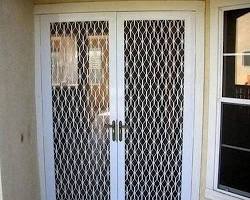
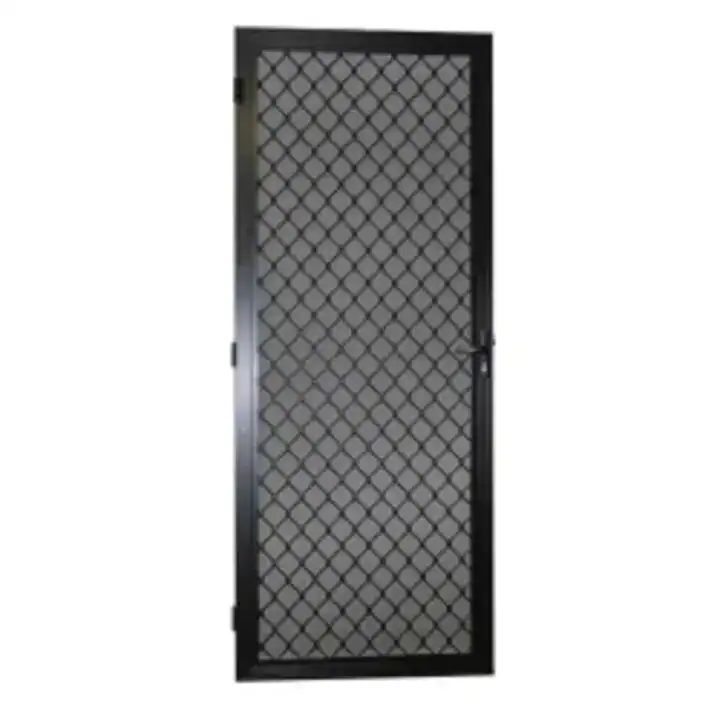
Security Mesh Door
High-strength stainless steel mesh.
Benefits:
• prevents insects
• increases security
• prevents pets entering
Standard Dimensions
Most interior mesh doors follow standard sizes.
Typical height:
6 feet – 7 feet
Typical width:
2.3 feet – 3 feet
Custom sizes are also available.
Aluminium Frame Manufacturing Process
The aluminium frame goes through several steps.
Step 1 – Aluminium Extrusion
Aluminium billets are heated and forced through dies to create frame profiles.
Step 2 – Cutting
Profiles are cut using precision aluminium cutting machines.
Step 3 – Drilling
Hinge and lock holes are drilled.
Step 4 – Surface Treatment
Common finishes:
• powder coating
• anodizing
• electrostatic painting
Powder coating protects aluminium from corrosion and scratches.
Step 5 – Mesh Installation
Mesh is fixed using:
• rubber spline
• aluminium bead
• adhesive strip
Step 6 – Hardware Installation
Install:
• hinges
• handles
• locks
• magnets
Installation Process (Step-by-Step)
Professional installation ensures durability.
Step 1 – Site Inspection
Technician checks:
• door opening size
• wall alignment
• door frame condition
Step 2 – Measurement
Precise measurement ensures perfect fitting.
Measurements include:
• width
• height
• frame thickness
• hinge position
Step 3 – Frame Fabrication
The aluminium frame is fabricated in workshop according to measurements.
Step 4 – Frame Positioning
Frame is positioned inside the door opening.
Step 5 – Fixing the Frame
Frame is fixed using:
• screws
• wall plugs
• aluminium brackets
Step 6 – Mesh Fixing
Mesh is stretched tightly and fixed with rubber spline.
Step 7 – Hinge Installation
Door leaf is attached to frame with hinges.
Step 8 – Lock Installation
Handle and lock system installed.
Step 9 – Sealing
Silicone sealant applied around frame edges.
Step 10 – Final Testing
Technician checks:
• door movement
• mesh tension
• lock functionality
Advantages of Aluminium Interior Mesh Door
Mosquito Protection
Prevents mosquitoes and insects entering the house.
Natural Ventilation
Allows fresh air circulation.
Energy Saving
Reduces need for air conditioning.
Improved Indoor Comfort
Better airflow improves living environment.
Clear Visibility
Mesh allows outside visibility.
Lightweight Structure
Aluminium frame is easy to operate.
Corrosion Resistance
Aluminium does not rust easily.
Long Life
Quality mesh doors last 10–15 years.
Applications
Interior mesh doors are used in:
• residential homes
• apartments
• villas
• hospitals
• restaurants
• offices
• hotels
Fly screens are widely used where ventilation is required without insects entering the space.
Maintenance
Maintenance requirements are minimal.
Cleaning
Use:
• soft brush
• cloth
• vacuum cleaner
Lubrication
Apply oil to hinges every 6 months.
Mesh Repair
Small tears can be repaired using mesh patch.
Large damage requires mesh replacement.
Warranty
Typical manufacturer warranties include:
Mesh warranty:
1–3 years
Frame warranty:
5–10 years
Hardware warranty:
1 year
Some systems offer 12 months limited warranty from installation date.
Expected Lifespan
Approximate lifespan:
Fiberglass mesh:
5–8 years
Aluminium mesh:
10+ years
Stainless steel mesh:
15+ years
Aluminium frame:
20+ years
Cost Factors
Price depends on:
• mesh type
• frame thickness
• hardware quality
• door size
• installation cost
Quality Parameters to Check Before Buying
A good mesh door should have:
• corrosion resistant aluminium frame
• high density insect mesh
• smooth hinges
• strong lock
• tight mesh fitting
• durable powder coating
Safety and Health Benefits
Mesh doors help reduce mosquito-borne diseases like:
• dengue
• malaria
• chikungunya
They provide protection without chemicals or sprays.
Modern Innovations
New technologies include:
• nano mosquito mesh
• anti pollen mesh
• pet resistant mesh
• UV resistant mesh
• invisible mesh systems
These innovations improve airflow, visibility, and durability.

Reviews
There are no reviews yet.